





Price: [price_with_discount]
(as of [price_update_date] – Details)
[ad_1]
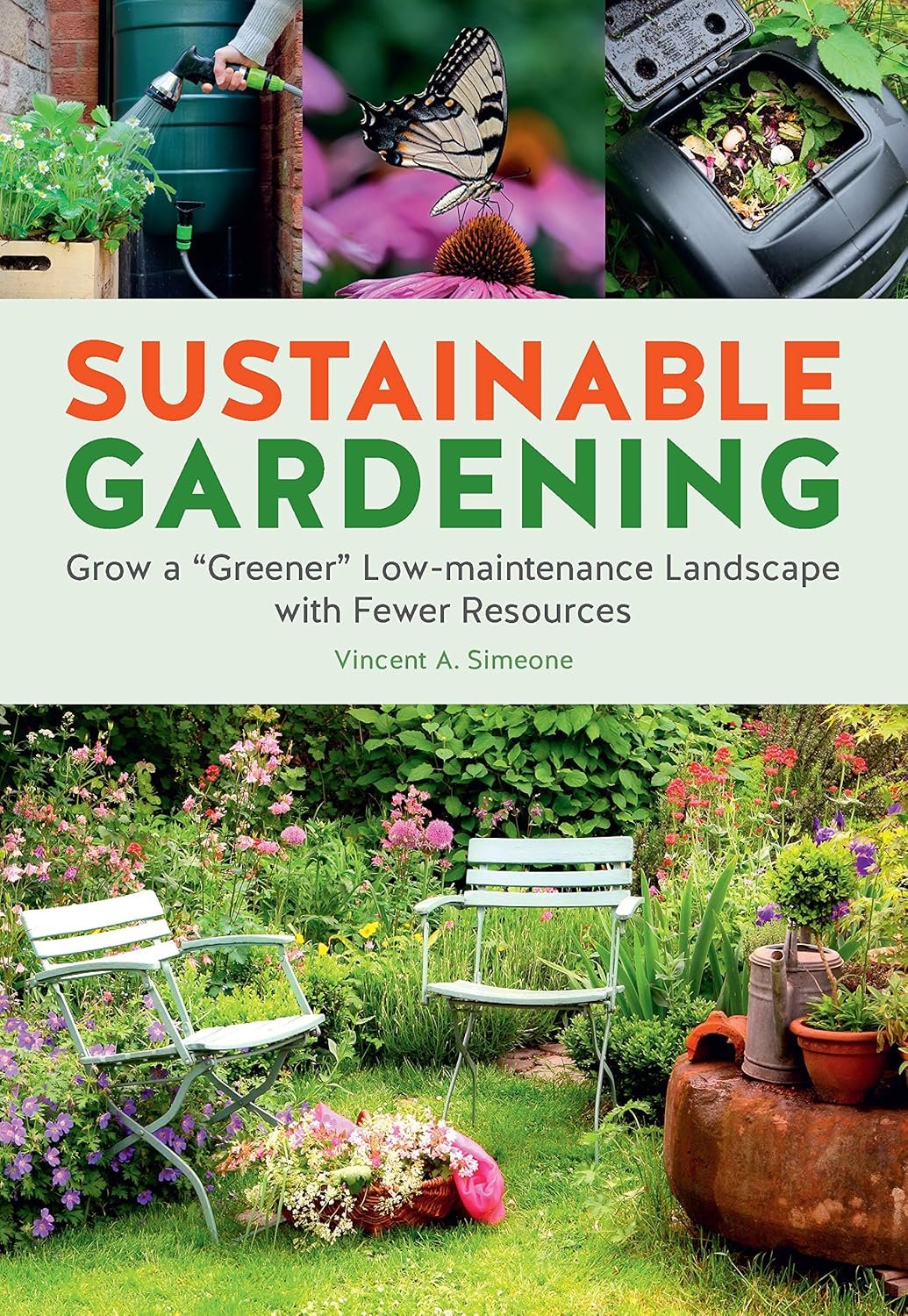
Take practical steps to protect the Earth for future generations by creating a sustainable home landscape that is also beautiful, budget-friendly, and low-maintenance.
In this updated edition of Grow More With Less, author and horticulturist Vincent Simeone shows us that gardens are living laboratories where we can experiment, grow, and connect with other living things. There are tens of millions of gardeners across the globe. Together, we can create a huge and lasting positive impact on the planet and all the creatures who share it with us.
With the well-researched plan found in the pages of Sustainable Gardening, gardeners and homeowners are taught how to:
Grow more plants while using fewer resourcesConserve water through plant choice and proper landscape careStop the disposable mindsetMitigate the effects of climate change through intelligent landscapingPlan and plant with low-maintenance in mindBuild healthy soil to sequester carbon and grow healthier plants Create a garden that supports wildlife and soil lifeDesign your garden for resiliency and a long, healthy lifeBanish synthetic pesticides and herbicides for more eco-friendly choicesReduce plastic waste in the garden and the landfillSet your garden on a schedule to reduce maintenance needsHarvest rainwater for future useAdopt a sustainable lawn care program that requires less work and fewer resources
Plus, discover profiles of some of the best shrubs, perennials, and ornamental grasses to include in your sustainable landscape. Not only are they beautiful and low-care, they also provide valuable ecosystem services.
Sustainability is defined as the capacity to endure, and while the term sustainability may seem a bit overused these days, the truth is that there are few other words that convey the same message. Adaptablity and resilience are close, but they miss the mark in conveying the long-term aspects of true sustainability. Being more mindful of your actions and learning how everything you do in your landscape impacts the ecosystem found there generates a more thoughtful and responsible approach to gardening we all would be wise to adopt.
From the Publisher
Sustainable Gardening
Introduction
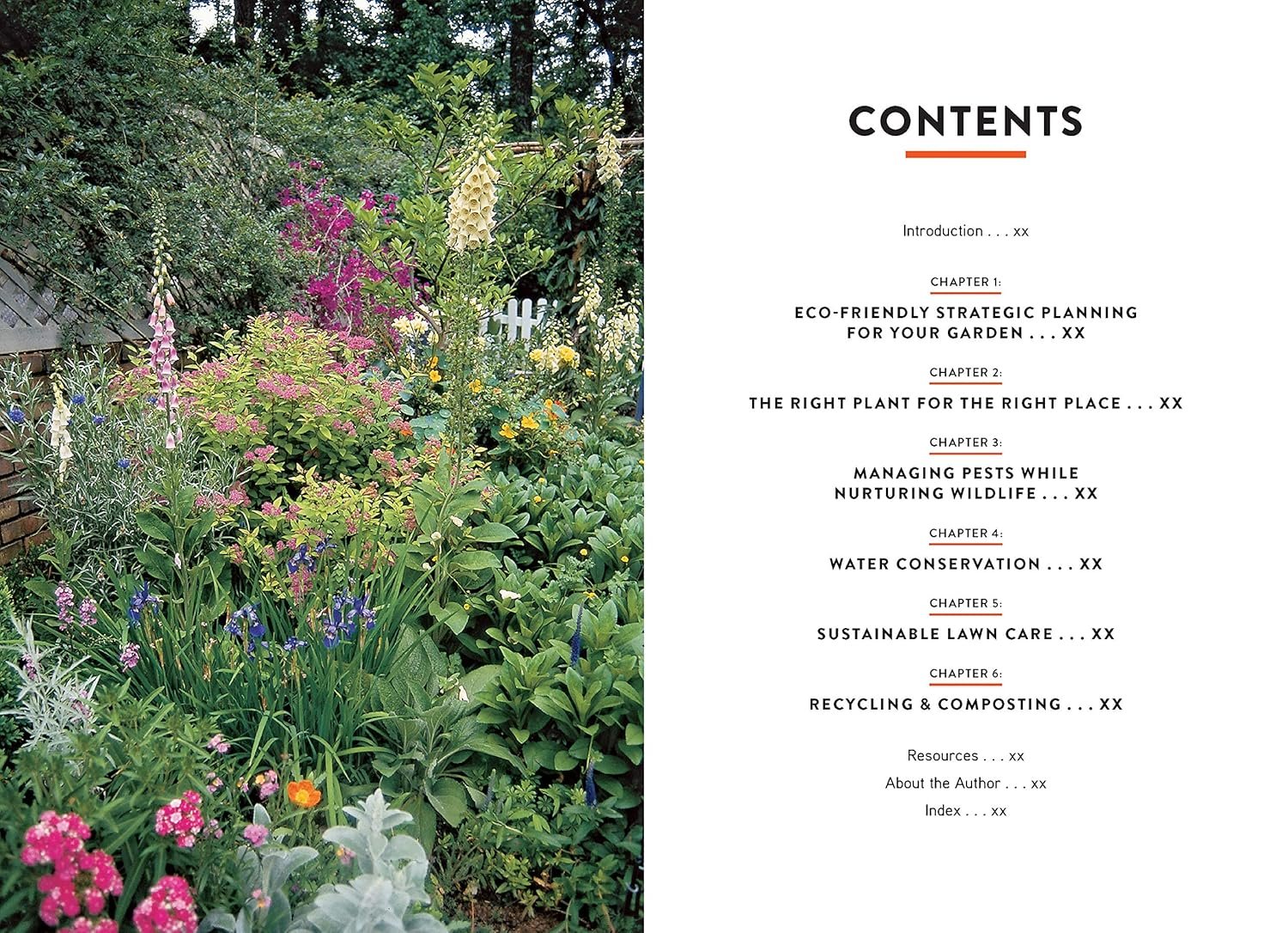
The term sustainability is a catchy word that has garnered a lot of attention the past few years. But unlike many catchphrases, sustainability has substance, credibility, and the potential to change life as we know it. For those who accept sustainability as a way of life, it will undoubtedly pay longterm dividends. Sustainability is a complex issue that affects every facet of our lives. It requires an investment of time and resources and yields positive results over many years. This commitment of time, hard work, and patience is a worthwhile effort that reduces the impact we human beings have on our environment. Like many worthwhile endeavors, sustainability offers us a chance to lead a responsible, healthy life and provide an example for others to learn from.
Environmental destruction is one of several reasons why sustainability has become such an important issue.
Many notable scientists and environmental advocates believe that our impact on the world around us has a direct and negative effect on global climate change. Human nature is to advance both intellectually and physically, and that all too often means more building, more consumption, and more resources needed.
This progress comes with a cost, though, usually at the cost of the environment. In the past, while we built roadway systems, housing developments, shopping malls, and resorts, the longterm impact on the environment was often not considered or anticipated. But that is slowly changing, and everything from large developments to residential settings has the ability to become more sustainable.
ESTABLISH PRIORITIES
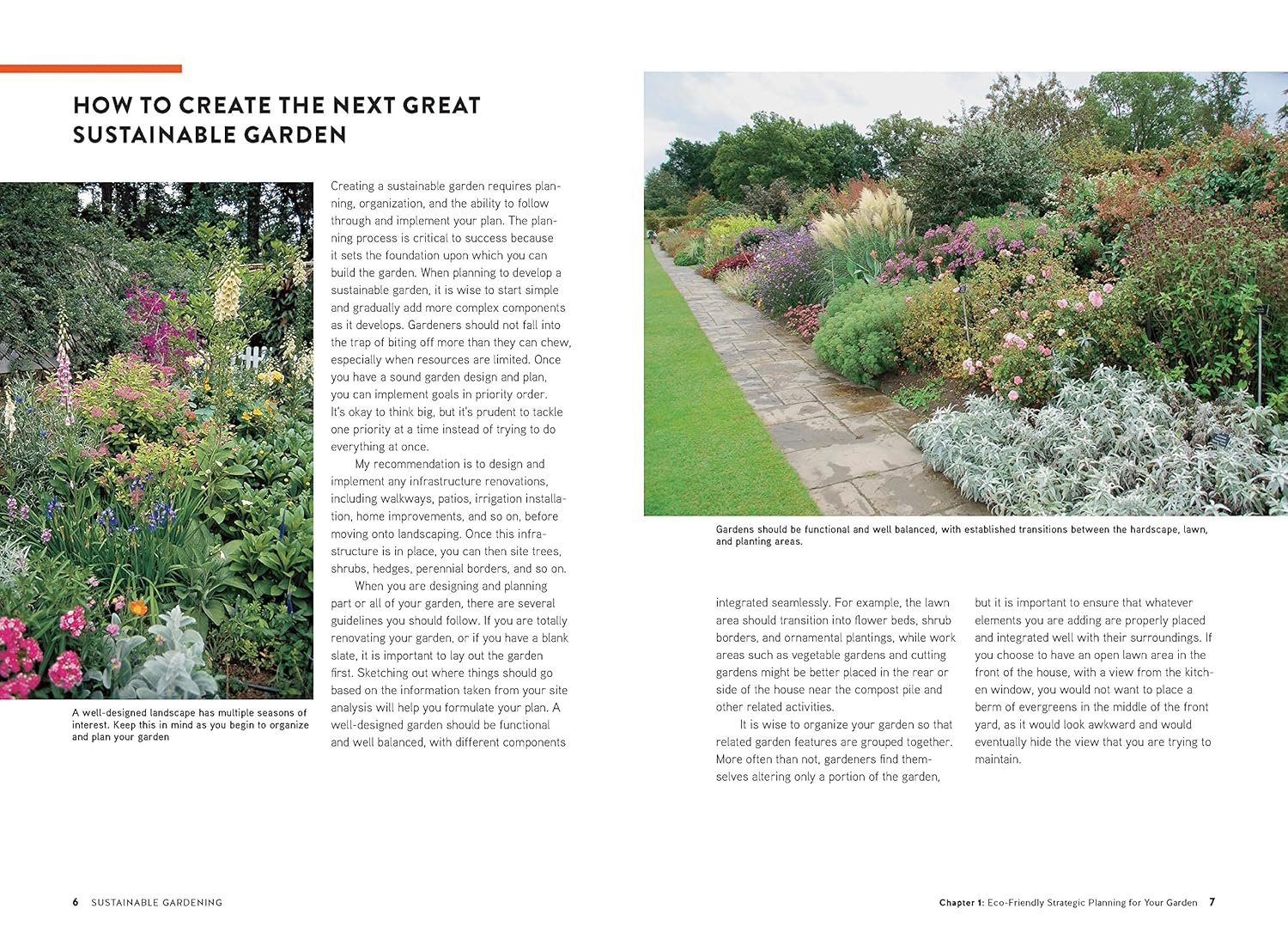
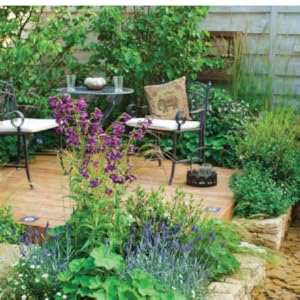
1. If you are totally renovating your garden, or if you have a blank slate, it is important to lay out the garden first. Sketching out where things should go based on the information taken from your site analysis will help you formulate your plan.
2. A well-designed garden should be functional and well balanced, with different components integrated seamlessly. For example, the lawn area should transition into flower beds, shrub borders, and ornamental plantings, while work areas such as vegetable gardens and cutting gardens might be better placed in the rear or along the side of the house near the compost pile and other related activities.
3. It is wise to organize your garden so that related garden features are grouped together. More often than not, gardeners find themselves altering only a portion of the garden; but it is important to ensure that whatever elements you are adding are properly placed and integrated well with their surroundings.
If you choose to have an open lawn area in the front of the house, with a view from the kitchen window, you would not want to place a berm of evergreens in the middle of the front yard, as it would look awkward and would eventually hide the view that you are trying to maintain.
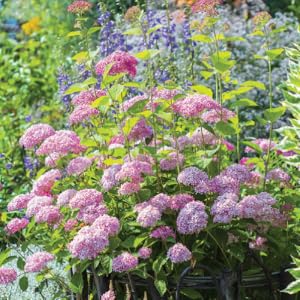
THE RIGHT PLANT FOR THE RIGHT PLACE
Knowing What Plants to Select and How to Use Them
Properly selecting and siting your bulbs, annuals, perennials, shrubs, or trees is easier said than done. It’s quite simple to buy some plants at the local nursery and drop them wherever you have room in the garden. It is much more challenging to determine what you are hoping to accomplish or basing your plant purchases on a specific need and then choosing the right plants for the job. Gardeners buy plants on impulse because the plants look good, and then they bring them home looking for room in the garden for them. It is much more prudent to first evaluate your yard and your specific goals and needs, paying close attention to the environmental conditions that your site offers. Once that is done, then a trip to the local nursery can be more focused on what plants will serve your needs and thrive in the soil, light, and overall climate of your garden.
The proper selection and siting of plants in the garden is without question one of the most important and sometimes challenging parts of being a good gardener.
It is a passionate quest to grow plants that will reach their greatest potential, maximizing their aesthetic value and function in the landscape. The ultimate satisfaction for gardeners is to watch the plants that they started from tiny seeds develop into beautiful mature plants, knowing that they had a small part in this growth.
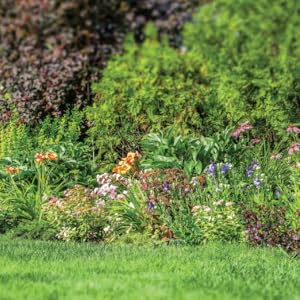
ONE GARDEN AT A TIME
While data point out that the average mean temperature across the globe has risen over the past few decades, the debate over whether this is a short-term phenomenon or will have longer-lasting consequences continues. Whether you agree or disagree with the idea that human actions are contributing to climate change, there is no denying the fact that sustainability is crucial to our future. By putting the right plant in the right place and following sound gardening principles, we can help the environment in which we live one garden at a time. My hope and belief is that over time, the global warming trend will reverse course and weather will return to historic patterns. Regardless, climate change is affecting where and how we grow plants today.
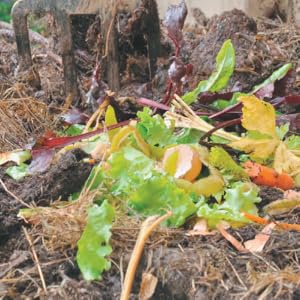
SOIL IS THE FOUNDATION
There are many ways to encourage healthy, sustainable soil.
1. Create your own compost to both recycle garden debris and return nutrients to the soil through the process of decomposition.
2. Perform regular soil tests, which will tell you the type and contents of your soil. Soil test kits are relatively inexpensive and easy to use. Store-bought tests will provide basic information about your soil. More elaborate soil tests are available from many government or university-based agricultural programs.
3. Regular and proper mulching of your garden beds will also help with the long term health of the soil while also enhancing the aesthetics of the garden. Nothing is more satisfying than a new spring planting with a fresh blanket of clean, soft mulch to finish the job. As this mulch decomposes, it slowly adds vital nutrients to your soil.
4. Fertilizing your soil—whether with homemade compost, mulch, or processed organic fertilizer—can be done to boost plant growth and vigor. Seasonal fertilization of your garden will keep plants lush and beautiful. While there are many products on the market to choose from, my best advice is to use only what you need. A current soil test will guide you in that decision.
5. Understand your soil and how it connects to the performance of your plants. Make plant choices based on the type of soil you have. Let’s take a deeper look at each of these factors and how they influence the health of your soil and in turn, your garden.
Publisher : Cool Springs Press
Publication date : March 16, 2021
Language : English
Print length : 176 pages
ISBN-10 : 0760370362
ISBN-13 : 978-0760370360
Item Weight : 2.31 pounds
Dimensions : 6.65 x 0.6 x 9.65 inches
[ad_2]



 Bedding
 Christmas Decorations
 Home Decor
 Health & Medical Equipment
 Lighting
 Smart Home
 Storage



Reviews
Clear filtersThere are no reviews yet.